
AI Visibility Services for Phoenix Businesses
What is AI Visibility?
Why It Matters Right Now
AI visibility (also called Answer Engine Optimization, or AEO, and Generative Engine Optimization, or GEO) is how likely your business is to be found, cited, and recommended inside AI-generated answers — think ChatGPT, Google AI Overviews, Perplexity, and Gemini. Instead of ranking your site as a blue link, these tools read your content, decide whether it’s trustworthy, and pull it directly into the answer someone sees. If your site isn’t structured for AI to crawl and trust, you’re invisible in a fast-growing share of searches — even if you already rank on page one of Google.
More people are starting their research inside AI chat tools instead of a search bar, and AI Overviews already show up on most Google searches. For Phoenix businesses, the local competitors who get their site’s technical foundation, crawler access, and content structured for AI first will be the ones showing up when a customer asks an AI assistant to recommend a company for a Phoenix digital marketing agency, an industry service, or “best [service] near me.” AI visibility isn’t a future trend — it’s already reshaping how local customers make decisions today.
HOW FULL DRAW CAN
IMPROVE YOUR AI VISIBILITY
Audit and repair your site’s root files — robots.txt, sitemap.xml, and llms.txt — so AI systems can find and understand your site
Open the door to AI crawlers like GPTBot, ClaudeBot, Google-Extended, and PerplexityBot instead of accidentally blocking them
Add schema markup and structured data so AI tools can pull accurate, citable facts about your business
Rebuild your site structure and internal linking so both search engines and AI models can navigate your content
Build a content strategy around the real questions your customers ask AI assistants, formatted to get extracted and cited
Strengthen the trust signals AI systems look for — consistent business info, credible sources, and clear authorship
Monitor how often your brand shows up in AI answers and refine the strategy as AI models change
SEO vs. AEO: What’s the Difference?
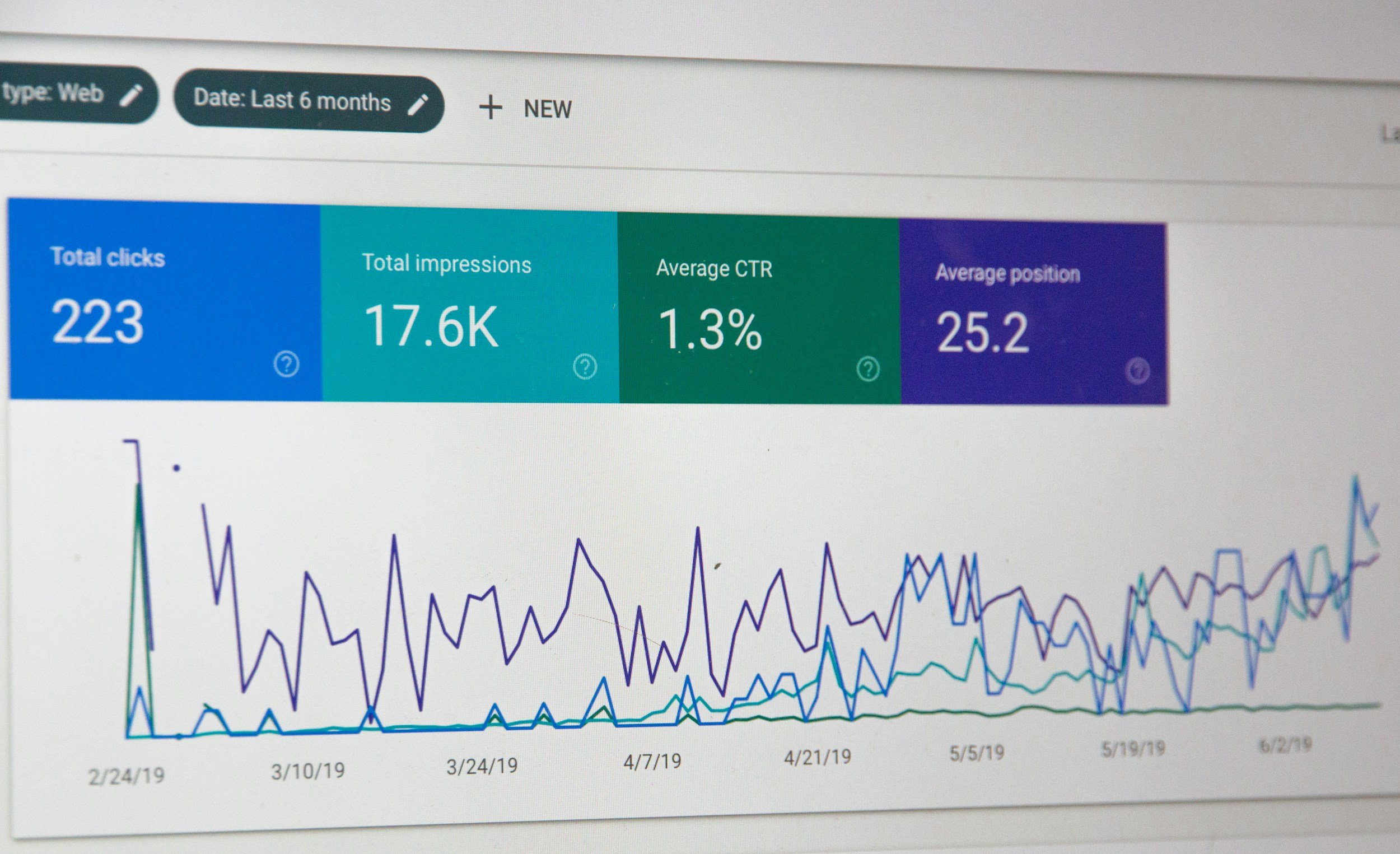
Search Engine Optimization (SEO) earns visibility in traditional search results — getting your website to rank higher on Google or Bing so people click through to your site. Answer Engine Optimization (AEO) earns visibility inside the answer itself — getting your business named, quoted, or recommended directly inside a ChatGPT response, a Google AI Overview, or a Perplexity summary, often without anyone clicking a link at all. SEO measures success in rankings and clicks; AEO measures success in citations and mentions. The two aren’t competing strategies. SEO is what gets your site crawled, indexed, and trusted in the first place, and that same trust and structure is exactly what AI systems draw on when deciding what to cite. Full Draw builds AI visibility on top of a solid SEO foundation, so you show up whether someone searches on Google or asks an AI assistant for a recommendation. For a broader look at how we approach both, visit our SEO & AEO services page.
Frequently Asked Questions
-
Root files sit at the base of your website’s domain — robots.txt, sitemap.xml, and increasingly llms.txt — and they tell search engines and AI crawlers what they’re allowed to see and how your site is organized. If these files are missing, outdated, or accidentally blocking access, AI systems like ChatGPT and Google’s AI Overviews may never be able to read your content in the first place, no matter how good that content is.
-
We check your robots.txt and server logs to see exactly which AI crawlers are hitting your site and whether they’re being allowed through or blocked. Many businesses are unknowingly blocking bots like GPTBot or Google-Extended through old security plugins, hosting settings, or a robots.txt file nobody has looked at in years — which means they’re invisible to AI answers by accident, not by choice.
-
llms.txt is an emerging standard that gives AI models a clear, plain-language summary of what your site offers and where to find your most important pages — similar to how sitemap.xml helps traditional search engines. It’s not required yet, but businesses that add one now are giving AI systems an easier, more accurate way to understand and cite their content ahead of competitors who haven’t.
-
No — done correctly, it works alongside your existing SEO rather than against it. Opening the door to AI crawlers, adding schema markup, and cleaning up your site structure are the same fundamentals that support strong traditional SEO. We test site speed and rankings before and after every change, so your Google performance stays protected while your AI visibility improves.
-
No one can guarantee a specific citation — AI models change constantly and no agency controls their output. What we can do is put your business in the best possible position: accessible to AI crawlers, structured with clear schema and trust signals, and built around content that directly answers the questions your customers are asking. That’s the same groundwork that drives long-term SEO results, and it’s what gives you the best realistic odds of being the business an AI recommends.
-
A regular SEO audit looks at keywords, backlinks, page speed, and search rankings. An AI visibility audit goes further: we check whether AI crawlers can actually access your site, whether your content is structured in a way models can extract and quote, whether your schema markup gives AI systems clear facts to cite, and whether your business information is consistent enough for AI to trust as a source. It’s a deeper technical layer built on top of standard SEO, not a replacement for it.
-
Our roots are in Phoenix, and we know the local market well, but AI visibility work isn’t limited by geography — we work with businesses anywhere that want to show up in AI search results. That said, Phoenix and Arizona businesses get an extra advantage: we understand the local competitive landscape and can fine-tune your strategy around “near me” and local-intent searches specifically.
-
Technical fixes like opening up crawler access or correcting your root files can take effect within days to a few weeks, since that’s largely about removing blockers. Building the deeper trust signals — schema markup, content structure, and consistent citations — takes longer, typically a few months, similar to traditional SEO timelines. Most clients start seeing AI crawler activity and schema recognition early, with citations and mentions building steadily after that.